
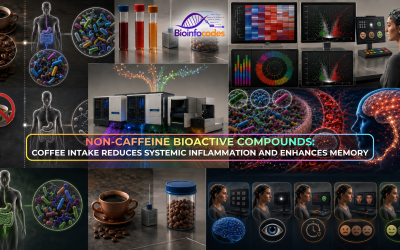
Non-Caffeine Bioactive Compounds: Coffee Intake Reduces Systemic Inflammation And Enhances Memory
Understanding the interactions between dietary habits, the gut microbiome (the community of microorganisms living in the digestive tract), and host physiology is a central focus in modern biomedical research. Dietary components can alter microbial populations and...
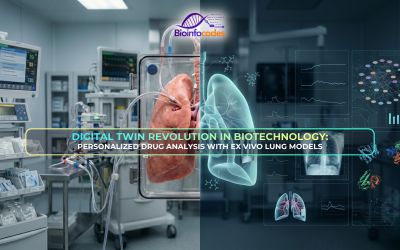
The Digital Twin Revolution in Biotechnology: Personalized Drug Analysis with Ex Vivo Lung Models
Ex vivo lung perfusion (EVLP) presents a critical biotechnological platform in the evaluation of donated organs before transplantation and in the examination of biological processes. This technology enables the production of comprehensive data sets consisting of...
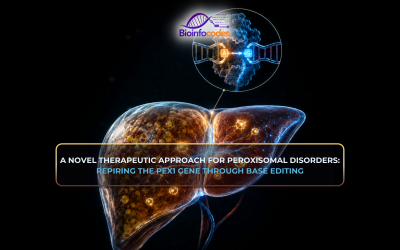
A Novel Therapeutic Approach for Peroxisomal Disorders: Repair of the PEX1 Gene Through Base Editing
Zellweger spectrum disorder (ZSD) is a genetic disorder caused by mutations in PEX genes, which are responsible for the formation of peroxisomes, organelles that play critical roles in cellular metabolism and signal transduction. The PEX1-p.G843D mutation, observed in...
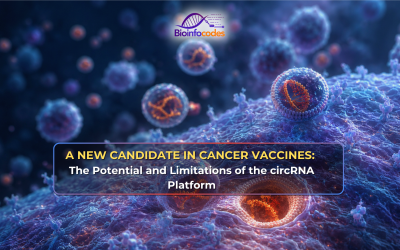
A Novel Candidate for Cancer Vaccines: The Potential and Limitations of the circRNA Platform
mRNA vaccines, together with the COVID-19 pandemic, rapidly transformed from a laboratory setting into a global public health tool; this success has opened the way for new development efforts directed at cancer immunotherapy, respiratory vaccines, and infectious...
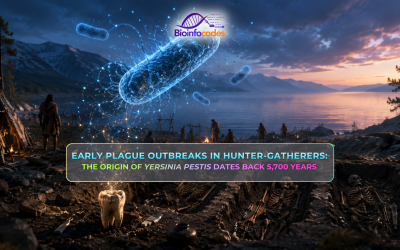
Early Plague Outbreaks in Hunter-Gatherers: The Origin of Yersinia pestis Dates Back 5,700 Years
Plague is recognized as one of the most devastating infectious diseases in human history. However, the extent to which the early evolutionary forms of the bacterium Yersinia pestis, the causative agent of plague, were lethal has long been a subject of debate. Since...

Learning the DNA Language: The Developed dnaHNet Model for Genome Analysis
Foundation models (FMs) are artificial intelligence models trained on large-scale datasets and possessing generalized learning capabilities that can be used in various tasks. Decoding DNA syntax provides an indispensable infrastructure for processes such as disease...

Translation in Giant Viruses: Overcoming Genetic Mismatch Through Viral Factories
Translation is one of the most fundamental biological processes essential for the continuation of life, and viruses depend on the host cell’s translational machinery for replication. However, a significant genetic mismatch exists between giant viruses such as...
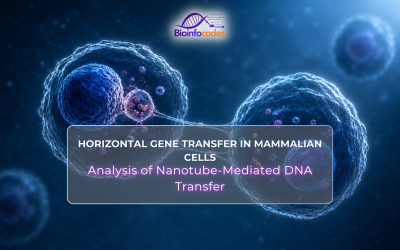
Overcoming The Limits Of Genome: Horizontal Gene Transfer Between Human Cells
Under normal circumstances, the mammalian genome is protected within the safe boundaries of the interphase nucleus, and the stability of cellular functions is maintained by this spatial separation. However, genomic instability caused by factors such as cell division...

Structural Atlas of Viral Proteins: Development of the Viral AlphaFold Database
Viruses rank among the most abundant biological entities in the biosphere and display remarkable genetic diversity. Their ability to infect bacteria, archaea, and eukaryotes has established viral systems as a significant area of biological research. Despite this, the...
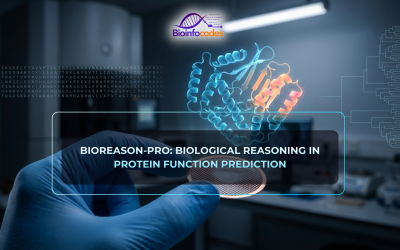
From Language Models to Biological Reasoning: Protein Function Prediction with BioReason-Pro
Proteins, as the fundamental functional units of cellular life, govern a wide range of biochemical processes, from metabolism to intracellular signaling. Advances in high-throughput sequencing technologies have led to the accumulation of over 250 million protein...