

RoboChem-Flex Platform: The Self-Managing Laboratory
Chemical experiments conducted in laboratories have become faster and more reproducible with the advancement of automation and robotic systems. Although self-driving laboratory (SDL) systems, in particular, have the potential to accelerate experimental processes, they...

Recoding the Immune System: In Vivo CAR-T Therapy in Multiple Myeloma
Multiple myeloma is a malignancy characterized by the uncontrolled proliferation of plasma cells in the bone marrow and accounts for approximately 10% of all hematological cancers. Despite advances in treatment modalities such as proteasome inhibitors,...

Artificial Intelligence in Protein Design: Allosteric Biosensors Using Machine Learning
Protein allostery (the phenomenon in which a signal received by one region of a protein triggers a response in a distant functional region) constitutes the fundamental mechanism of real-time information processing and energy transfer at the cellular level. The vast...

RNA Folding: Real-Time Monitoring at the Single-Molecule Level
The three-dimensional structure of RNA (ribonucleic acid) molecules is of fundamentally important for cellular processes. Many biological functions, including ribosome formation (the cell’s protein factory), depend on the correct folding of RNA. However, RNA molecules...
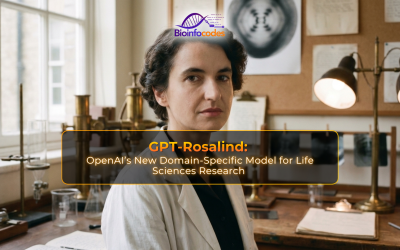
GPT-Rosalind: OpenAI’s New Domain-Specific Model for Life Sciences Research
The integration of artificial intelligence systems into scientific research processes has become a subject of growing interest in the life sciences in recent years. Research workflows in fields such as biology, drug discovery, and translational medicine involve...

Unseen Dynamic of Protein Evolution: The “Dark Energy” That Folding Cannot Explain
Recent advancements in the field of molecular biology and biophysics have increased the importance of Artificial Intelligence (AI)-based approaches in order to deciphering evolutionary background of protein evolution. In order to complete their cellular tasks,...
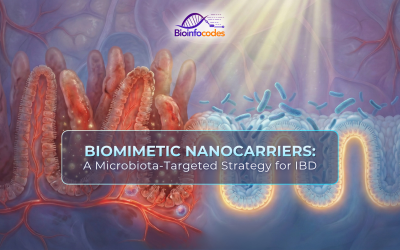
Biomimetic Nanocarriers: A Microbiota-Targeted Strategy for IBD
Inflammatory bowel disease (IBD) is a group of chronic and recurrent gastrointestinal disorders encompassing ulcerative colitis and Crohn's disease, with a prevalence ranging from 6–8 million cases worldwide. Current clinical treatments (5-aminosalicylic acid,...
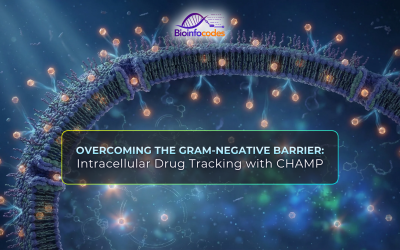
Overcoming the Gram-Negative Barrier: Intracellular Drug Tracking with CHAMP
Overcoming the Gram-Negative Barrier: Intracellular Drug Tracking with CHAMPGram-negative bacterial pathogens represent a formidable challenge in modern drug development due to their complex outer membrane structures, which act as a selective barrier preventing the...

Neurobiology of Maternal Mental Health: An Analysis of Postpartum Risk and Protective Factors
The postpartum period undergoes significant neuroanatomical remodeling in maternal brain structure, which exerts profound effects on both parenting behaviors and child development. However, research regarding the specific risk factors influencing maternal mental health remains insufficient. During this period, the surge in experience-dependent neuroplasticity may elucidate how environmental and neurobiological factors relate to maternal psychological well-being. In particular, factors such as psychosocial stressors, adverse environmental conditions, and a history of psychopathology are identified as critical determinants that increase the risk of postpartum depression (PPD) and anxiety. In this context, understanding the impact of these factors on mothers is of critical importance for mitigating negative outcomes and societal costs.
Park and colleagues administered comprehensive surveys and clinical evaluations to participants at various prenatal and postpartum time points. The study utilized Similarity Network Fusion (SNF), integrating multimodal neuroimaging indices — regional gray matter volume and task-based functional connectivity — with environmental survey data and interview responses obtained from 87 mothers. This multimodal approach identified three distinct groups differentiated by behavioral and clinical assessments, as well as neural features supporting emotional processing. The research successfully detected differences in postpartum mood symptoms across these identified groups.
In conclusion, this study reveals that postpartum mental health is not contingent upon a single cause. It establishes that mothers with high levels of childhood trauma, intense pregnancy-related stress, and a prior diagnosis of depression or anxiety constitute the highest-risk group, exhibiting the most pronounced symptoms of postpartum depression, anxiety, and stress. Conversely, those with a history of depression who nevertheless possess protective neural structures and connectivity patterns fall into the moderate-risk group. Finally, mothers with no prior psychiatric history and more favorable environmental conditions comprise the lowest-risk group. The study emphasizes the necessity of evaluating environmental stressors, psychiatric history, and neurobiological characteristics within an integrated framework. These findings provide a scientific foundation for the early identification of at-risk mothers and the development of targeted protective interventions.
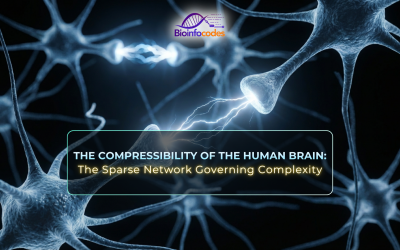
The Compressibility of the Human Brain: The Sparse Network Behind Complexity
Functional processes in the human brain are shaped through complex interactions and correlations (relational links) between different brain regions. In neuroscience, the role of large-scale neural activities and inter-regional functional networks in cognitive...